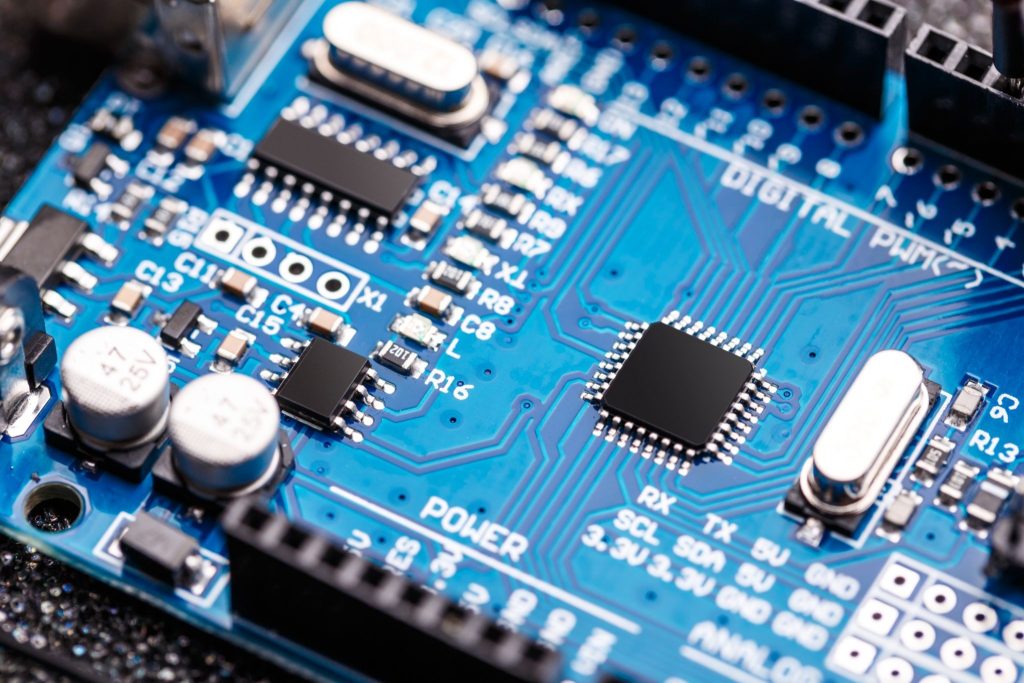
Every modern electronic device depends on a small but powerful component that controls how it behaves. If you have ever wondered what is a microcontroller, the simplest way to understand it is by comparing it to a brain. It receives signals, processes them, and decides what actions to take. From simple appliances to complex systems, microcontrollers are everywhere. They make devices responsive, efficient, and intelligent. Without them, most electronics would not function the way we expect today.
Understanding What Is a Microcontroller in Simple Terms
To explain what is a microcontroller, think of a compact system that includes a processor, memory, and input and output interfaces in one chip. It is designed to perform specific tasks rather than general computing. Unlike a computer processor that runs multiple applications, a microcontroller focuses on a defined job. This makes it efficient and reliable. It is programmed to follow instructions and react to external signals. This is why it plays a central role in embedded systems.
Core Components Inside a Microcontroller
A microcontroller is not just a single-function unit. It contains several important parts working together. The central processing unit handles instructions and decision-making. Memory stores the program and temporary data. Input and output pins allow communication with other components. Timers and counters manage time-based operations. These elements are integrated into one chip. This integration is what makes microcontrollers compact and efficient for device control.
How a Microcontroller Acts as the Brain
The reason we describe a microcontroller as the brain is that it controls all operations in a device. It reads input from sensors or buttons. It processes that information based on its program. Then it sends output signals to motors, displays, or other components. This cycle happens continuously. The speed of this process allows devices to respond instantly. Without this control system, devices would not be able to make decisions or adapt to user input.
Input Processing and Decision Making
A key part of understanding what is a microcontroller is knowing how it handles inputs. Inputs can come from sensors, switches, or communication modules. The microcontroller reads these signals and converts them into data. It then compares this data with its programmed instructions. Based on this comparison, it decides what action to take. This decision-making process is what gives devices their intelligent behavior.
Output Control and Execution
Once a decision is made, the microcontroller sends signals to output devices. These outputs can control lights, motors, speakers, or displays. The accuracy of this control is important. A small change in input can lead to a different output. This precise control allows devices to perform complex tasks. It also ensures that the system behaves predictably.
Role of Memory in Microcontroller Functioning
Memory plays a critical role in how a microcontroller works. Program memory stores the instructions that define behavior. Data memory holds temporary values during operation. Without memory, the microcontroller would not know what to do. Efficient memory use allows the device to operate smoothly. It also supports faster processing and better performance.
Real World Examples of Microcontroller Applications
Microcontrollers are used in a wide range of devices. In home appliances, they control washing machines, microwaves, and air conditioners. In automobiles, they manage engine systems and safety features. In consumer electronics, they power smartphones, remote controls, and wearable devices. Each application uses the microcontroller to handle specific tasks. This shows how versatile and essential they are.
Difference Between Microcontrollers and Microprocessors
Many people confuse microcontrollers with microprocessors. While both process data, they serve different purposes. A microprocessor is designed for general computing and requires external components. A microcontroller includes everything needed on one chip. This makes it more suitable for dedicated tasks. Understanding this difference helps clarify what is a microcontroller and why it is used in embedded systems.
Importance of Programming in Microcontrollers
Programming defines how a microcontroller behaves. Without a program, it cannot perform any task. Developers write code that tells the microcontroller how to respond to inputs and control outputs. This code is stored in memory. Once programmed, the microcontroller follows these instructions repeatedly. This allows devices to perform consistent and reliable operations.
Energy Efficiency and Compact Design
One of the advantages of microcontrollers is their efficiency. They consume less power compared to larger systems. This makes them ideal for battery-operated devices. Their compact size also allows them to fit into small products. This combination of efficiency and size is a key reason why they are widely used in modern electronics.
Communication Capabilities in Microcontrollers
Microcontrollers can communicate with other devices and systems. They use protocols to send and receive data. This allows them to work in networks or interact with other components. Communication expands their functionality. It enables features like remote control and data sharing. This is important in modern connected devices.
Challenges in Microcontroller Design and Use
While microcontrollers are powerful, they also have limitations. They have limited memory and processing power. This means they are not suitable for complex computing tasks. Developers must optimize their code to fit these constraints. Careful design is required to ensure reliable performance. Understanding these challenges is part of mastering microcontroller use.
Future Trends in Microcontroller Technology
Microcontroller technology continues to evolve. New designs offer better performance and lower power consumption. Integration with advanced features is increasing. This allows them to handle more complex tasks. As devices become smarter, the role of microcontrollers will grow. They will remain a key component in electronic systems.
Why Microcontrollers Are Essential in Modern Devices
To fully understand what is a microcontroller, it is important to see its impact. It enables automation, control, and intelligence in devices. Without it, many modern features would not exist. It simplifies design by combining multiple functions into one chip. This makes it a fundamental part of electronics.
Conclusion
A microcontroller is more than just a component. It is the control center of electronic devices. It processes inputs, makes decisions, and controls outputs. This makes it the brain of the system. Understanding what a microcontroller is helps in understanding how modern devices work. Its role will continue to grow as technology advances.
FAQs
1. What is a microcontroller used for in everyday devices?
A microcontroller is used to control functions in devices like home appliances, cars, and gadgets, where it processes inputs, executes programmed instructions, and manages outputs to ensure smooth and efficient operation.
2. How does a microcontroller differ from a computer processor?
A microcontroller is designed for specific tasks with built in components, while a computer processor handles general computing and relies on external hardware for memory and input and output functions.
3. Can a microcontroller work without programming?
No, a microcontroller needs a program to function, as the code defines how it processes inputs and controls outputs, making programming essential for its operation and behavior in any device.
4. Why is a microcontroller called the brain of a device?
It is called the brain because it controls all operations, processes information, and makes decisions based on inputs, similar to how a human brain manages actions and responses.
5. Are microcontrollers used in advanced technologies?
Yes, microcontrollers are used in advanced technologies such as automation systems, smart devices, and industrial equipment, where they provide control, efficiency, and intelligent decision making capabilities